
Tips on How to Avoid Sewer Clogs from Fats, Oils and Grease (FOG)
What is FOG ?
FOG refers specifically to Fats, Oils and Grease entering the sewer system when poured down drains in homes.
As a byproduct of cooking, FOG is usually found in:
- Baking goods
- Butter, lard, shortening
- Cooking oil
- Fats and oil from cooked meats
- Food scraps
- Gravy
- Mayonnaise
- Salad dressings
- Sauces
- Sour cream
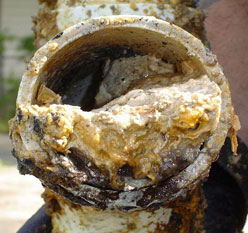
Why is FOG a problem?
Blockage can lead to sewer overflows on your property. All too often, fats, oils
In severe cases,
- Sewage backups into homes and
- Sewers that overflow onto roadways and property, eventually flow into local waterways, causing contamination.
How can you help?
The easiest way to solve the grease problem and help prevent overflows of raw sewage is to keep this material out of the sewer system. Through education and by adopting certain habits, it is easy to minimize FOG sources at home.
In the kitchen, fats, oils
Tips to keep your drains fat-free:
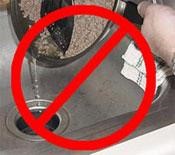
- Pour cooled fats, oils
and grease into a container and put the container in the trash. If you don’t have a container, place tin foil into a coffee cup or similar, add FOG, allow to cool anddispose . - Before washing, use a paper napkin or paper towel to wipe FOG from dishes and dispose of it in the trash.
- Use sink strainers to catch food waste.
- Put food scraps in the trash, not in the drain. Tip: wrap in junk mail.
The best way to handle grease and fats are to scrape them off or pour them into containers and dispose of them through the trash disposal. Never put fats or grease down the sink drains or into the toilet.
Restaurants and other commercial kitchens are required to have grease traps or interceptors installed.